Diabetes can affect small blood vessels throughout the body, including those supplying the retina. One of the most important concerns is that diabetic eye disease may begin before a person notices a meaningful change in vision.
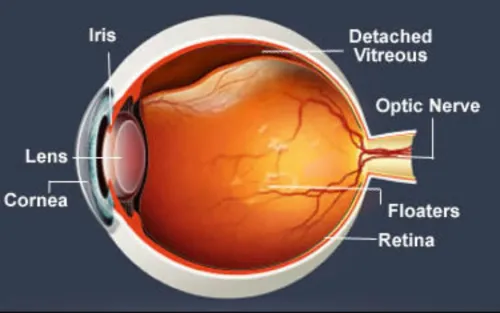
The retina is the light-sensitive tissue at the back of the eye. Diabetes can damage retinal blood vessels over time, potentially leading to diabetic retinopathy and related complications.
For people living with diabetes in Kalamboli, regular retinal assessment is important even when day-to-day vision appears normal.
Why Normal Vision Does Not Always Mean a Healthy Retina
Early diabetic retinopathy may produce no obvious symptoms.
A person may be able to read, work, drive, and use digital devices normally while retinal blood-vessel changes are already present.
This is why waiting for blurred vision before arranging an eye examination can delay detection.
What Changes Can Diabetes Cause?
Diabetic retinopathy can involve leakage from abnormal retinal blood vessels, small haemorrhages, swelling, reduced retinal circulation, or the growth of fragile new blood vessels in more advanced disease.
Diabetic macular edema can occur when fluid affects the macula, the central retinal area responsible for detailed vision.
The severity and treatment implications vary considerably, which makes retinal examination important.
Which Symptoms Need Attention?
When diabetic eye disease begins affecting vision, possible symptoms may include:
- Blurred or fluctuating vision
- Difficulty seeing fine detail
- Dark spots in vision
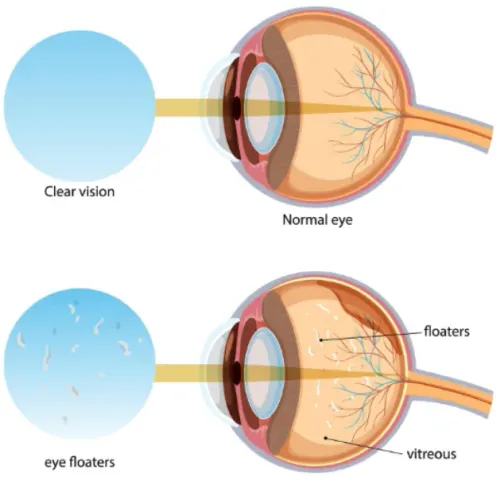
- New floaters
- Reduced contrast
- Distorted central vision
- Areas of missing vision
However, symptoms alone cannot reliably determine whether diabetic retinopathy is present.
What Happens During a Diabetic Eye Examination?
An ophthalmologist may examine the retina after dilating the pupils. Depending on the findings, retinal imaging or other investigations may be advised.
The purpose is to look for changes that may not be apparent during ordinary vision testing.
A comprehensive assessment can also identify other eye conditions that are more common or clinically relevant in people with diabetes.
Blood Sugar Is Not the Only Consideration
Good diabetes management remains important, but eye risk is not determined by a single glucose reading.
Factors that can influence diabetic eye complications include duration of diabetes, long-term glucose control, blood pressure, kidney health, pregnancy, and other individual medical factors.
This is one reason eye care should form part of broader diabetes management.
How Frequently Should the Retina Be Checked?
There is no single examination schedule suitable for every patient.
The recommended interval depends on factors such as the type and duration of diabetes, pregnancy status, previous retinal findings, and whether retinopathy is already present.
An ophthalmologist can recommend a follow-up schedule after examining the retina.
Patients who already have retinal changes may require closer monitoring than those without detectable retinopathy.
Do Not Wait for Vision Loss
The most useful time to identify diabetic retinal changes is often before they significantly interfere with sight.
Anyone experiencing sudden visual deterioration, a sudden increase in floaters, flashes, or a dark shadow across vision should seek prompt eye assessment rather than waiting for a routine appointment.
Diabetes management should include attention to the eyes even when vision feels perfectly satisfactory. Regular retinal evaluation provides information that a home vision check or spectacle test cannot provide.
Keywords