
Choosing an eye doctor is easier when you know what type of assessment your symptoms may require. A routine spectacle update, suspected cataract, sudden flashes, glaucoma monitoring, or diabetic retinal examination may involve very different clinical needs.
For patients seeking ophthalmology services in Kalamboli, looking beyond convenience can help them choose care that matches the actual eye problem.
Start With the Reason for Your Visit
Before selecting a clinic, identify the main concern.
You may need an ophthalmic consultation for:
- Gradual blurred vision
- Cataract assessment
- Refractive surgery evaluation
- Eye pressure monitoring
- Diabetic retinal screening
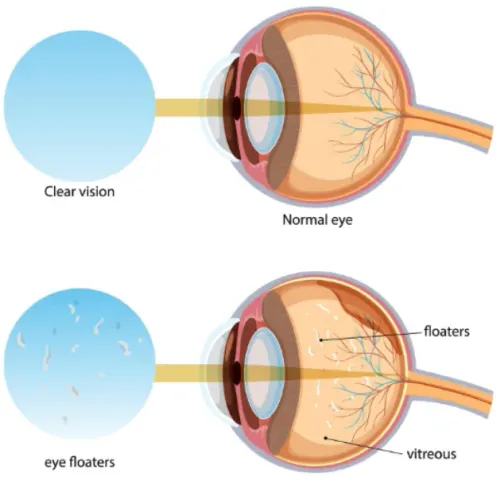
- New flashes or floaters
- Persistent dry eye
- Squint or eye-alignment problems
- Childhood vision concerns
- Unexplained headaches associated with visual tasks
Clear symptoms help the clinic arrange the appropriate type of appointment.
Look for Comprehensive Assessment
An eye examination should be guided by the reason for consultation rather than treated as a single standard test.
For example, someone with suspected glaucoma may require eye-pressure measurement, optic-nerve assessment, visual-field testing, or imaging when indicated.
A patient with sudden floaters may need a dilated retinal examination.
Someone considering LASIK requires refractive and corneal assessment.
Ask what evaluation is normally performed for your particular concern.
Consider Diagnostic Facilities
Access to relevant diagnostic testing can make evaluation more coordinated.
Depending on the condition, ophthalmology care may involve slit-lamp examination, tonometry, retinal examination, optical imaging, corneal measurements, visual-field testing, or other investigations.
Not every patient needs every test. The important point is whether clinically appropriate testing can be arranged when required.
Ask Who Will Assess the Condition
It is reasonable to know whether your concern will be evaluated by an ophthalmologist and whether the doctor manages the condition for which you are seeking care.
This becomes particularly relevant when treatment or surgery may be required.
For planned procedures, patients can ask about the evaluation process, expected follow-up, alternatives, potential risks, and what symptoms after treatment should prompt contact with the clinic.
Communication Matters
A useful consultation should help you understand:
- What the examination found
- Whether further tests are needed
- What treatment is being considered
- What alternatives exist
- What follow-up is required
- Which symptoms require earlier review
Patients should feel able to ask questions before making decisions about elective procedures.
Prepare for the Appointment
Bring previous prescriptions, eye reports, scans, surgery records, and a current medication list when relevant.
People with diabetes can also bring recent medical information if available.
If pupil dilation may be required, ask the clinic whether you should make transportation arrangements, as vision can temporarily become blurred and light-sensitive after dilation.
Know When Convenience Should Come Second
Sudden vision loss, a curtain-like shadow, severe eye pain, eye injury, chemical exposure, or new flashes with many floaters should not be delayed simply to secure a preferred routine appointment slot.
These symptoms may require prompt assessment.
Drashti Eye Hospital provides ophthalmology services for a range of common eye concerns. When choosing any eye-care provider, the key is to match clinical capability, examination quality, communication, and follow-up arrangements to the condition you actually need assessed.
Keywords