Glaucoma is frequently associated with high eye pressure, so patients sometimes assume that one normal pressure reading means they do not have the disease. In reality, glaucoma testing can involve several pieces of information.
Glaucoma refers to a group of eye conditions that can damage the optic nerve. Because some forms progress without noticeable symptoms in the early stages, assessment is particularly important for people with relevant risk factors.
For patients in Kamothe, understanding what a glaucoma evaluation involves can make screening results easier to interpret.
Eye Pressure Is Important but Not the Whole Story
Intraocular pressure is a major risk factor for glaucoma.
However, some people develop glaucomatous optic-nerve damage despite pressure measurements that fall within a statistically common range. Others may have elevated pressure without detectable glaucomatous damage at a particular point in time.
That means a pressure number must be interpreted alongside other findings.
The Optic Nerve Needs Examination
The optic nerve carries visual information from the retina to the brain.
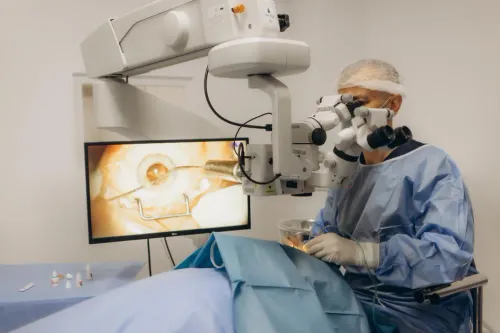
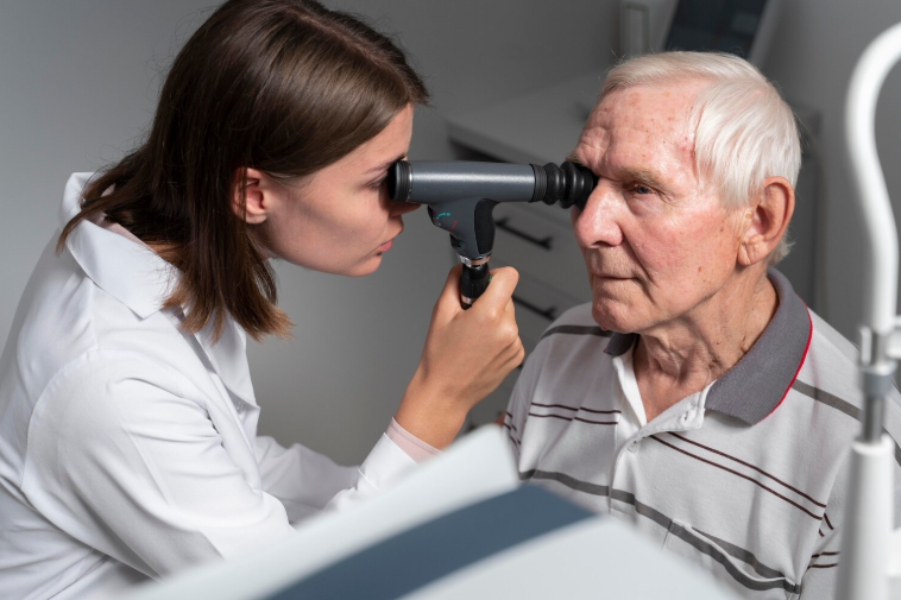
An ophthalmologist examines its appearance for structural features that may suggest glaucoma. When appropriate, imaging such as optical coherence tomography can provide additional information about the optic nerve and retinal nerve-fibre layers.
These measurements may also be useful for monitoring changes over time.
What Is a Visual Field Test?
Glaucoma can affect peripheral vision before central reading vision is noticeably reduced.
Visual-field testing assesses how well a person detects light at different points within the field of vision.
Because the test depends on patient responses, reliable performance is important. In some cases, a test may need to be repeated to confirm whether an apparent abnormality represents a consistent pattern.
Corneal Thickness Can Influence Interpretation
The thickness and characteristics of the cornea can influence interpretation of measured eye pressure.
For this reason, pachymetry, which measures corneal thickness, may be included in a glaucoma assessment when clinically appropriate.
The drainage angle inside the eye may also be evaluated because different glaucoma mechanisms require different approaches.
Who Should Be Particularly Aware of Glaucoma?
Risk varies between individuals. Factors that may increase concern include:
- Increasing age
- Family history of glaucoma
- Elevated eye pressure
- Certain optic-nerve findings
- Previous eye injury
- Long-term or significant steroid exposure
- Particular medical or ocular conditions
Having a risk factor does not mean a person definitely has glaucoma. It means the need for appropriate assessment may be greater.
Why Follow-Up Tests Matter
Glaucoma diagnosis and monitoring often depend on patterns over time rather than one isolated measurement.
An ophthalmologist may compare eye pressure, optic-nerve appearance, imaging, or visual-field results across visits.
This can help determine whether the condition is stable or showing progression.
Symptoms Should Not Be the Main Screening Method
Many forms of glaucoma do not cause obvious early symptoms.
Rarely, certain acute forms can cause severe eye pain, redness, headache, blurred vision, halos, nausea, or vomiting and require urgent medical attention.
For routine glaucoma assessment, however, waiting for symptoms is not a reliable strategy.
A comprehensive evaluation combines relevant measurements with examination findings. Understanding that principle prevents the false reassurance that can come from relying on a single “normal” eye-pressure number.
Keywords