Cataracts often develop slowly, which is why the early changes can be easy to overlook. A person may continue managing routine activities while noticing that reading has become harder, night driving feels uncomfortable, or colours no longer appear as bright as before.
A cataract occurs when the normally clear natural lens inside the eye becomes cloudy. Ageing is a common cause, although cataracts can also be associated with diabetes, previous eye injuries, certain medications, or other eye conditions.
For people in Kharghar,recognising gradual changes in vision can help them decide when a comprehensive eye examination is appropriate.
What Does Cataract Vision Feel Like?
Cataracts do not affect everyone in exactly the same way. The visual impact depends partly on the type, density, and location of the lens opacity.
Common symptoms can include:
- Blurred or cloudy vision
- Increased sensitivity to bright lights
- Glare from headlights
- Halos around lights
- Difficulty seeing clearly at night
- Colours appearing faded
- Frequent changes in spectacle power
- Needing brighter light for reading
- Reduced contrast while viewing objects
Some people initially assume these changes simply mean they need stronger glasses. A refraction test can determine whether a spectacle change is sufficient or whether lens clouding is contributing to the problem.
Why Night Driving May Become Difficult
Night-time difficulties are particularly common because cataracts can scatter incoming light.
Headlights, streetlights, and other bright sources may produce uncomfortable glare. The contrast between bright lights and dark surroundings can make driving more demanding.
If night driving becomes noticeably more difficult despite using the correct glasses, an eye examination can help identify the reason.
Does Every Cataract Need Immediate Surgery?
No. The presence of a cataract does not automatically mean surgery must be performed immediately.
An ophthalmologist considers how much the cataract is affecting useful vision and everyday activities. A mild cataract that causes little difficulty may simply be monitored.
Surgery becomes more relevant when reduced vision interferes significantly with activities such as reading, driving, working, recognising faces, or performing tasks that require clear detail.
In some circumstances, surgery may also be considered when the cataract makes it difficult for the ophthalmologist to examine or manage another eye condition.
Can New Glasses Solve the Problem?
During the earlier stages, an updated spectacle prescription may sometimes improve vision.
However, glasses cannot remove cloudiness from the natural lens. As a cataract progresses, changing spectacles may provide progressively less improvement.
This distinction is important for anyone who has changed glasses repeatedly but continues experiencing cloudy vision or glare.
What Happens During a Cataract Evaluation?
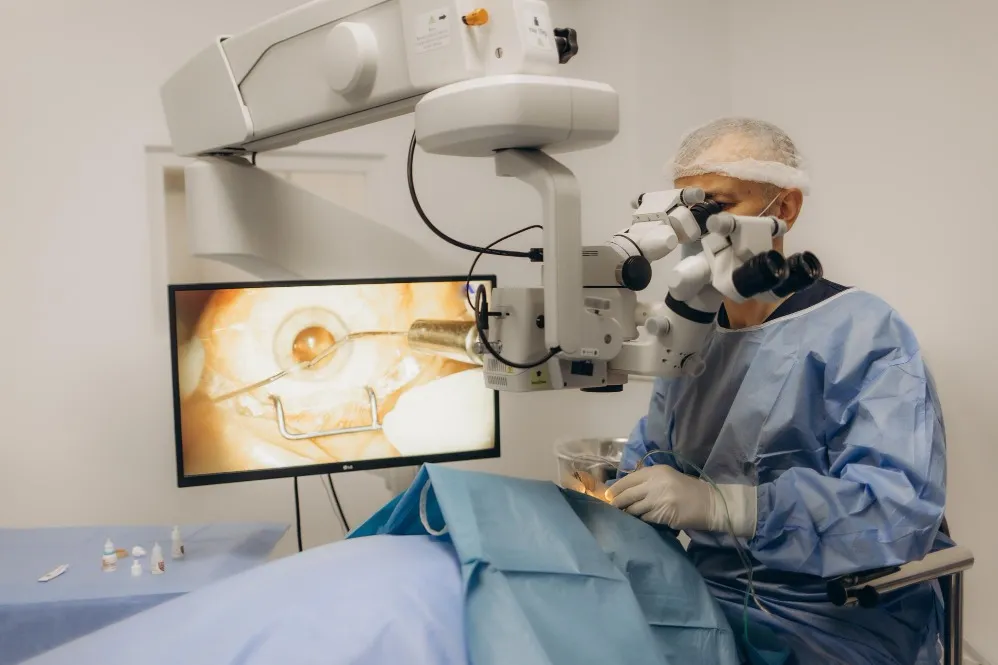
An ophthalmologist may assess visual acuity, spectacle power, the front structures of the eye, lens clarity, eye pressure, and the retina where clinically appropriate.
If surgery is being considered, additional measurements are usually required to help select an intraocular lens.
The examination is also an opportunity to discuss medical conditions, current medications, previous eye procedures, and the visual demands of everyday life.
When Should You Arrange an Eye Examination?
Vision changes should not automatically be assumed to be cataracts. Glaucoma, retinal disease, corneal problems, refractive errors, and other conditions can also affect sight.
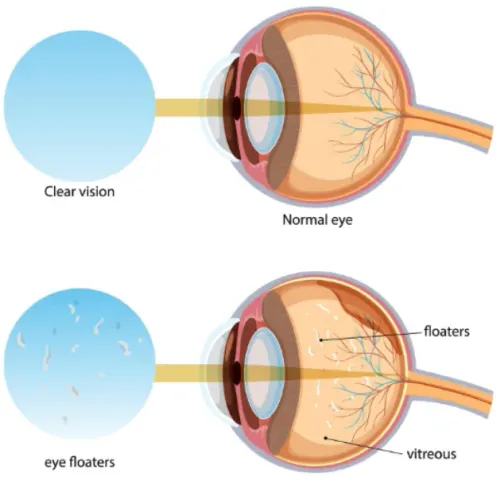
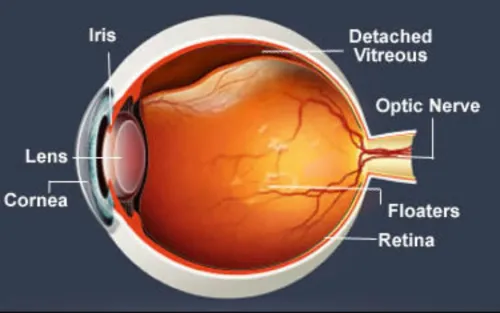
Seek prompt medical attention if vision loss is sudden, especially when accompanied by flashes, a sudden increase in floaters, a dark curtain or shadow in the visual field, severe eye pain, or significant redness.
For gradual blurring, glare, or declining night vision, a planned ophthalmology assessment can identify whether cataracts are responsible and clarify the next step.
Keywords