Dry eye is not simply a matter of the eyes “not making enough tears.” The tear film is a complex protective layer, and problems can occur because tear production is inadequate, tears evaporate too quickly, or several factors are present together.
This is why dry eye treatment should ideally begin with identifying the pattern behind the symptoms.
People in CBD Belapur, particularly those who spend long hours using computers or working in air-conditioned environments, may experience symptoms that fluctuate significantly during the day.
Symptoms Can Be Surprisingly Varied
Dry eye may cause:
- Burning
- Stinging
- Grittiness
- Foreign-body sensation
- Redness
- Intermittent blurred vision
- Eye fatigue
- Sensitivity to light
- Excessive watering
Watery eyes can seem contradictory, but irritation may trigger reflex tearing. These tears do not necessarily correct the underlying tear-film instability.
Why Screen Use Can Make Symptoms Worse
People tend to blink less frequently or less completely while concentrating on digital screens.
Blinking helps spread the tear film across the ocular surface. Reduced blinking can therefore allow tears to evaporate more quickly.
Screen-related symptoms may be compounded by air conditioning, fans directed toward the face, prolonged contact-lens use, or extended periods of visually demanding work.
Not Every Lubricating Drop Is the Same
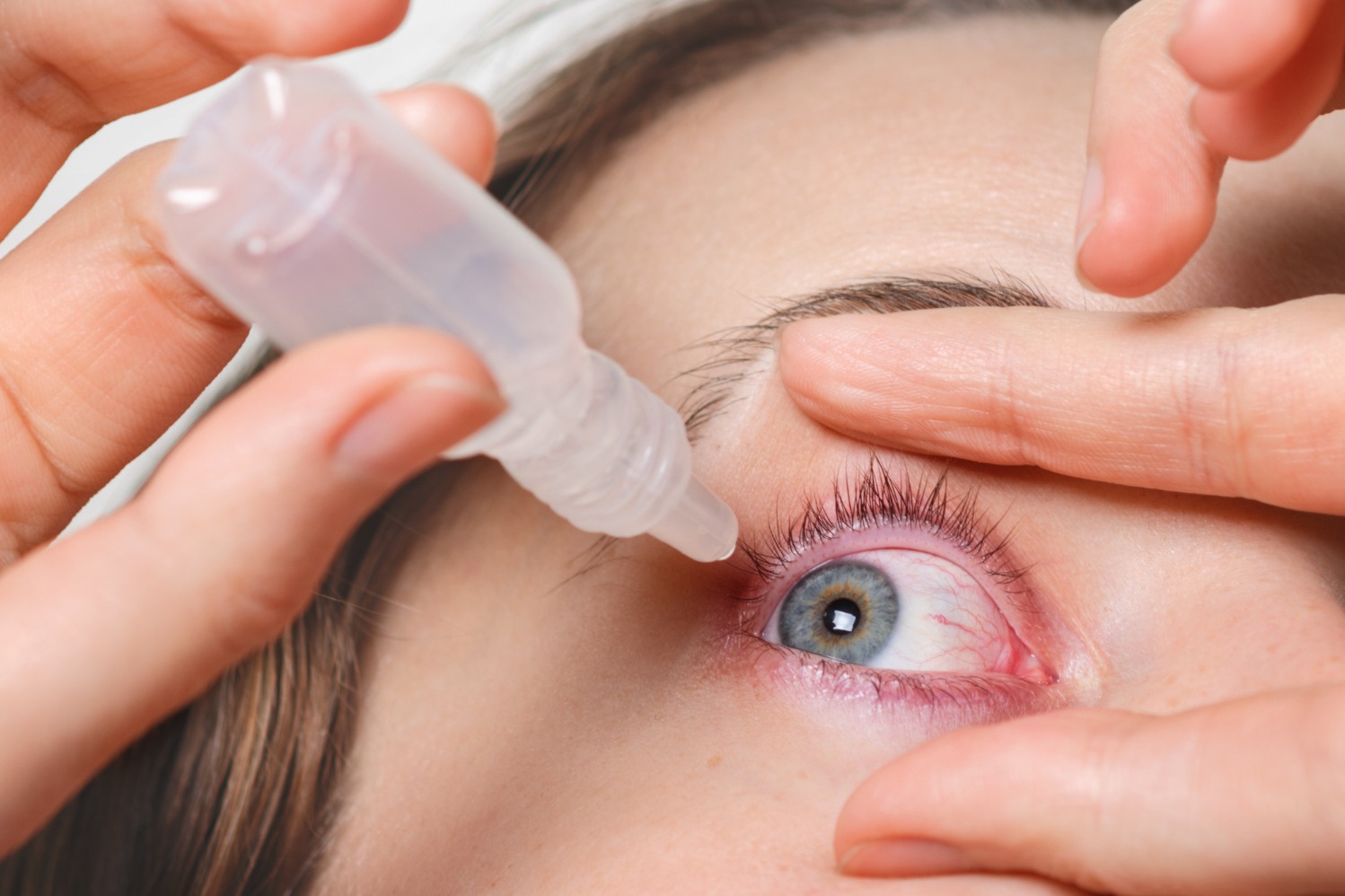
Patients sometimes try multiple over-the-counter drops without knowing what type of dry eye they have.
Artificial tears may be useful in many cases, but persistent symptoms can require a more detailed assessment. Treatment choices can depend on tear-film characteristics, eyelid health, meibomian gland function, inflammation, medication use, and other contributing factors.
Using eye drops repeatedly without evaluation may also delay recognition of another cause of redness or discomfort.
Practical Changes That May Help
Depending on the cause, useful habits can include:
- Taking regular visual breaks during prolonged screen work.
- Making a conscious effort to blink fully.
- Avoiding direct airflow from fans or air-conditioning vents.
- Discussing contact-lens wearing time if lenses worsen symptoms.
- Staying appropriately hydrated.
- Following the prescribed lubricant schedule rather than using drops randomly.
These measures are supportive. Persistent or severe symptoms still deserve assessment.
When Should Dry Eye Be Evaluated?
Consider an ophthalmic examination when symptoms occur frequently, affect work, cause repeated visual fluctuation, interfere with contact-lens use, or do not improve with basic measures.
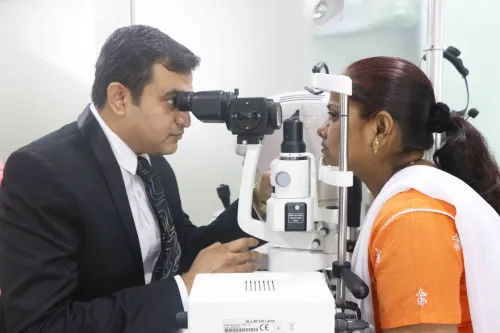
An examination may include assessment of the eyelids, ocular surface, tear film, and other eye structures.
The aim is also to rule out conditions that can mimic dry eye.
When Symptoms Need Faster Attention
Significant pain, marked redness, sudden visual deterioration, injury, chemical exposure, or severe light sensitivity should not automatically be attributed to dry eye.
These symptoms may require more urgent evaluation.
Treatment Should Match the Cause
The most useful question is not simply, “Which eye drop should I buy?”
A better question is, “Why is my tear film failing to keep the eye comfortable?”
Once the likely contributors are identified, management can be better matched to the problem. This can involve environmental changes, lubricating preparations, eyelid care, medication adjustments in consultation with the appropriate doctor, or other ophthalmic treatment where indicated.
Persistent dry-eye symptoms are therefore worth evaluating as an ocular-surface problem rather than treating them indefinitely as temporary irritation.
Keywords